An opera director is calling for schools to teach more Welsh history after discovering pupils know little about a landmark arson attack on a “bombing school”.
Patrick Young, founder and artistic director of OPRA Cymru, said he was surprised how few had heard about the pivotal protest at RAF Penrhos near Pwllheli in 1936 when three prominent, “God-fearing” Welsh nationalists set fire to buildings there.
Mr Young has written to Education and Welsh Language Cabinet Minister Anna Brychan, urging the Welsh Government to give key moments in the nation’s past greater prominence in the Curriculum for Wales.
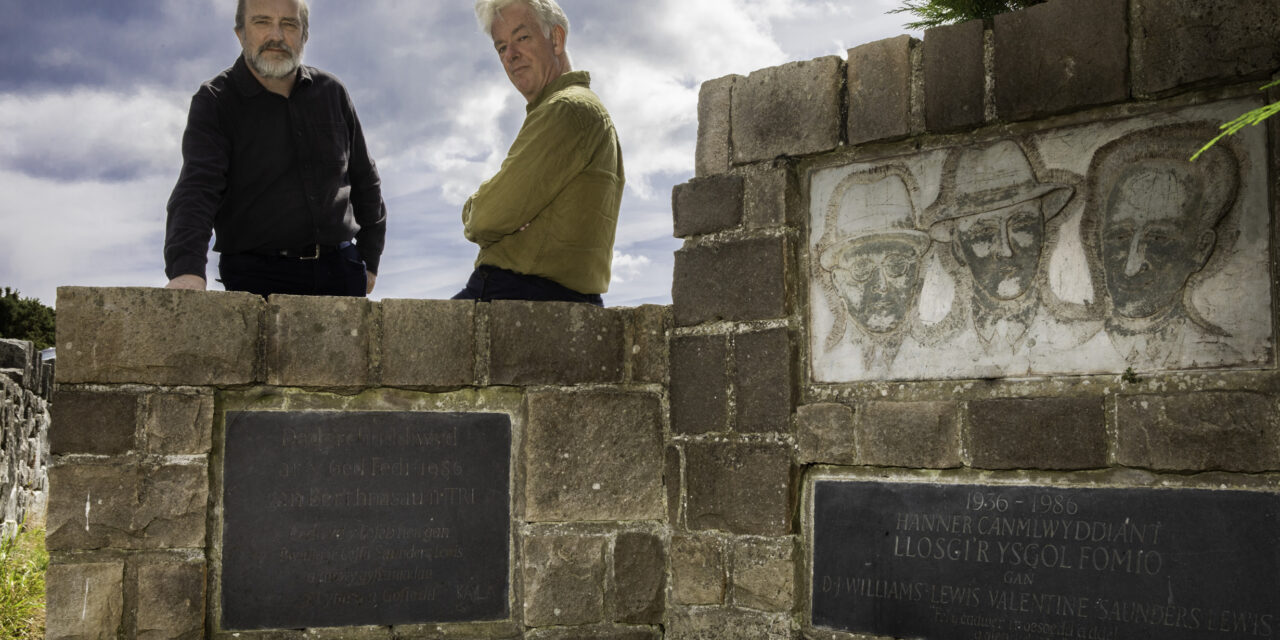
His call comes as OPRA Cymru prepares to stage Fflamau Penyberth (The Flames of Penyberth), a new opera commemorating the controversial attack by Saunders Lewis, DJ Williams and Lewis Valentine.
The trio drove to a nearby police station to give themselves up and they were later jailed for nine months after being convicted at the Old Bailey – and were greeted as heroes by a 15,000 strong crowd in Caernarfon on their release.
The new opera will be premiered at Neuadd Dwyfor, Pwllheli on Thursday, November 19, and later visit Rhosllannerchrugog, Bangor, Aberystwyth, Barry, Brecon and Aberystwyth before returning to Pwllheli for the final performance of the tour.
OPRA Cymru have launched a £15,000 crowdfunding appeal to help finance the production which is costing around £170,000 to put on and anyone wanting to make a contribution can do so via www.zeffy.com/en-GB/donation-form/fflamau-penyberth-yr-opra
Mr Young said: “For less than the price of a morning coffee people can help this unique celebration of the three giants whose actions ninety years ago this year helped deliver the first Plaid Cymru government to Wales.”
He was prompted to write to the Cabinet Minister after staging workshops at secondary schools across North Wales.
In the letter he said: “I have been surprised to discover that while many school pupils are acquainted with the Tryweryn story, relatively few have heard of the perhaps more significant story of the three giants of the Plaid Cymru movement, Saunders Lewis, D J Williams, and Lewis Valentine.
“And while there is reasonable attention paid in the school curriculum to the Second World War, it is surprising that not more is made of the bravery of these three men, just before that war: they after all, sacrificed their freedom for the greater good of Wales.
“It is therefore clear these three men has a foundational role in the history of Wales in the 20th century, whether as a reflection of Welsh literature, Welsh drama or Welsh religious culture.
“It is unfortunate that so few of the current generation of school pupils have any awareness of the Penyberth story and its influence on the subsequent history of Welsh protest movements, involving people such as Eileen Beasley and Gwynfor Evans.”
Mr Young, a former opera director of the Royal Opera House in London’s Covent Garden, added the Welsh Government has an opportunity to ensure that future generations receive a fuller and more balanced account of their nation’s history.
“This requires more than leaving individual schools to decide which episodes to cover: there must be sufficient clarity about the historical knowledge pupils are expected to acquire, alongside appropriate teaching resources, professional support and a qualifications system that recognises the importance of Welsh history.
“We urge you to take the necessary steps to embed key moments in Wales’s past more securely within the curriculum, so that every learner can leave school with a richer understanding of the country they call home,” said Mr Young.
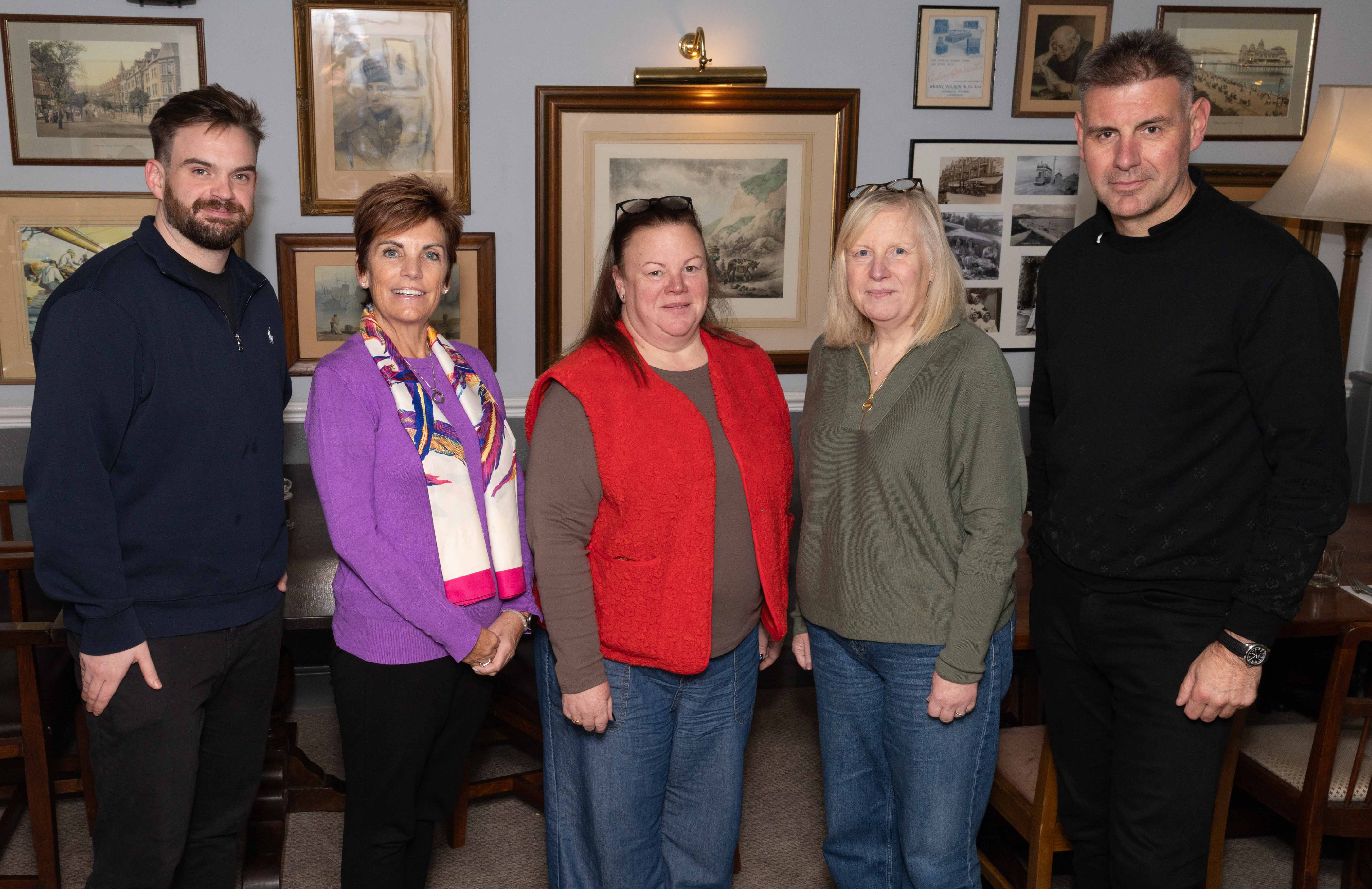
Historian Arwel Vittle, who historically checked the libretto in Fflamau Penyberth, agreed there should be more focus on Welsh history in schools.
“The direct action at Penyberth is an important part of Welsh history. It was the first protest by Welsh people in the name of Wales against a decision made by the London-based government since the days of Owain Glyndwr four centuries earlier and laid the foundations for later protest movements such as those led by Cymdeithas yr Iaith Gymraeg.
“The history curriculum should focus more on incidents which represent turning points in Welsh history,” he said.
Penyberth was a farmhouse which had been the home to generations of patrons of poets, and also a way-station for pilgrims to Bardsey Island, but destroyed in 1936 in order to build the RAF base which functioned as an air observer, gunnery and bombing school.
The proposals led to widespread protests in Wales and Saunders Lewis, who lived in Swansea at the time but hailed from Wallasey on the Wirral, claimed the new airfield would promote what he viewed as a barbaric method of warfare.
His comments led to Lewis, DJ Williams who hailed from Carmarthenshire and was a teacher in Fishguard, and Lewis Valentine, who was born near Colwyn Bay, carrying out the arson attack.
OPRA Cymru commissioned Anglesey-based Gareth Glyn to compose the score for with the libretto written by Patrick Young, in collaboration with Arwel Vittle.
To make a contribution go online to www.zeffy.com/en-GB/donation-form/fflamau-penyberth-yr-opra and for more details about the tour go to www.opra.cymru while tickets can be obtained from the various theatre box offices
To coincide with the opera, Arwel Vittle will give a talk on ‘Lewis Valentine – y Llwybr i Benyberth’ (Lewis Valentine – the Road to Penyberth) at Pwllheli Library at 7.30pm on Monday, November 16.
Fflamau Penyberth will be performed at Neuadd Dwyfor, Pwllheli, on November 19; Theatr y Stiwt, Rhosllannerchrugog, on November 20; Pontio, Bangor on November 24; Taliesin Arts Centre, Swansea on November 26, Memo Arts Centre, Barry on November 27; Theatr Brycheiniog in Brecon on November 28; Theatr y Werin, Aberystwyth on December 3 and Neuadd Dwyfor, Pwllheli on December 5.