Peace campaigner Sir Terry Waite was hailed as an “international treasure” after the former hostage received a lifetime achievement award in North Wales.
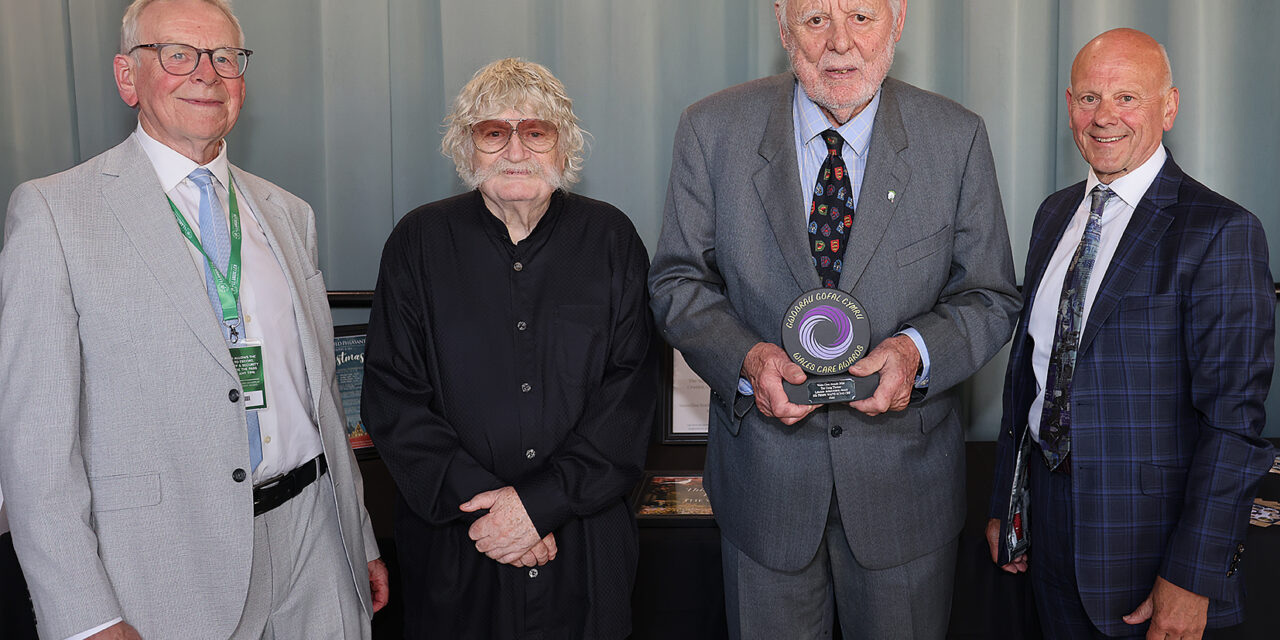
Sir Terry was presented with the special Wales Care Award during the Llangollen International Musical Eisteddfod where he was much-loved president for 15 years.
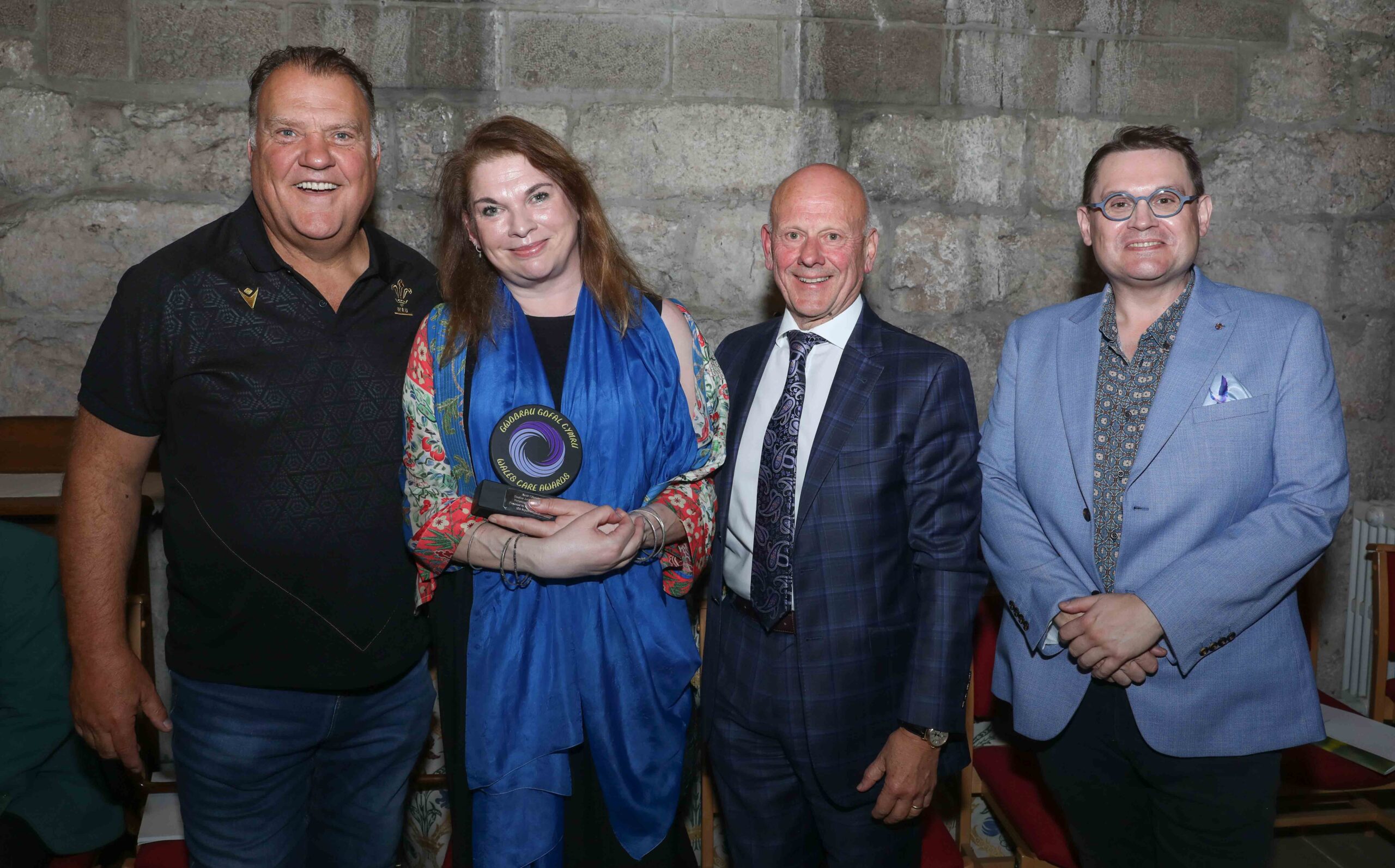
Appropriately, the Welsh slate plaque was jointly presented by Sir Karl Jenkins, who succeeded Sir Terry as Eisteddfod president, and Mario Kreft MBE, the chair and founder of the Wales Care Awards.
Mr Kreft praised Sir Terry’s lifelong dedication to supporting vulnerable people, describing him as a passionate advocate for social care as well as a humanitarian whose work has inspired communities in Wales and beyond.
Sir Terry travelled to Lebanon in 1987 to negotiate the release of hostages as the Archbishop of Canterbury’s special envoy but was himself kidnapped and held captive for nearly five years before being freed in 1991.
He is vocal campaigner for international peace and human rights around the world, and has played a role in the release of hostages in countries including Iran and Libya.
Sir Karl Jenkins said: “It was a real privilege to present this award to Sir Terry, whose compassion, courage and commitment to helping others have inspired people around the world for decades.
“He has given so much through his work for peace, human rights and social care, and this honour is a fitting recognition of an extraordinary lifetime of service.”
Mr Kreft, who also the chair of social care champions Care Forum Wales who organise the Wales Care Awards, said: “Quite simply, Sir Terry is an international treasure.
“We all know that he is a great humanitarian who has done so much for those in captivity but I have also known him as the president of the International Eisteddfod.
“He is also deeply passionate about social care and it is this commitment which we are recognising with this award.
“Sir Terry is someone who believes profoundly in social care as being at the heart of the community whether its care within the family or for those who can’t be supported by the family or who don’t have a family to care for them.
“This award recognises his lifetime interest in the care sector and it is very fitting that it is being presented by Sir Karl as it emphasises the bond that exists between social care and music and the arts and Sir Terry and Sir Karl are exemplars of that.
“Sir Terry is someone who understands community and values the contribution to it by the arts and social care.
“The Craig Thomas Lifetime Achievement Award is one of the highest honours we can give. It reflects the enormous respect and admiration we have for Sir Terry and his lifetime of service to others.”
According to Sir Terry, he was very privileged to be honoured by the Wales Care Awards and added: “It’s also a privilege to be back in Llangollen at the International Eisteddfod with Mario and Karl, both old friends.
“I have also been privileged to receive an honorary doctorate from Bangor University and the reason that the International Eisteddfod and Bangor University mean so much to me is that after 15 years here in Llangollen as president of the Eisteddfod I have come to regard myself as an honorary Welshman.
“This award confirms that status is a little bit more than honorary.
“Just before arriving here I was on the phone to a man held in detention in Iraq for five years and I had the good news that his ordeal is coming to an end.
“We have over 100 such cases at the moment and the world is a sad place but we should never forget that a kindly act can make a difference and that is something we as individuals can do.
“The Llangollen Eisteddfod has made a difference in bringing people together from all over the world and making us a community of care and compassion and music and that’s something that Sir Karl embodies.”
John Gambles, the chair of Llangollen Eisteddfod, said: “Sir Terry’s compassion, humility and lifelong commitment to helping others make him a truly deserving recipient of this award.
“His work has touched countless lives and continues to remind us of the values at the heart of social care – kindness, dignity and community.”